
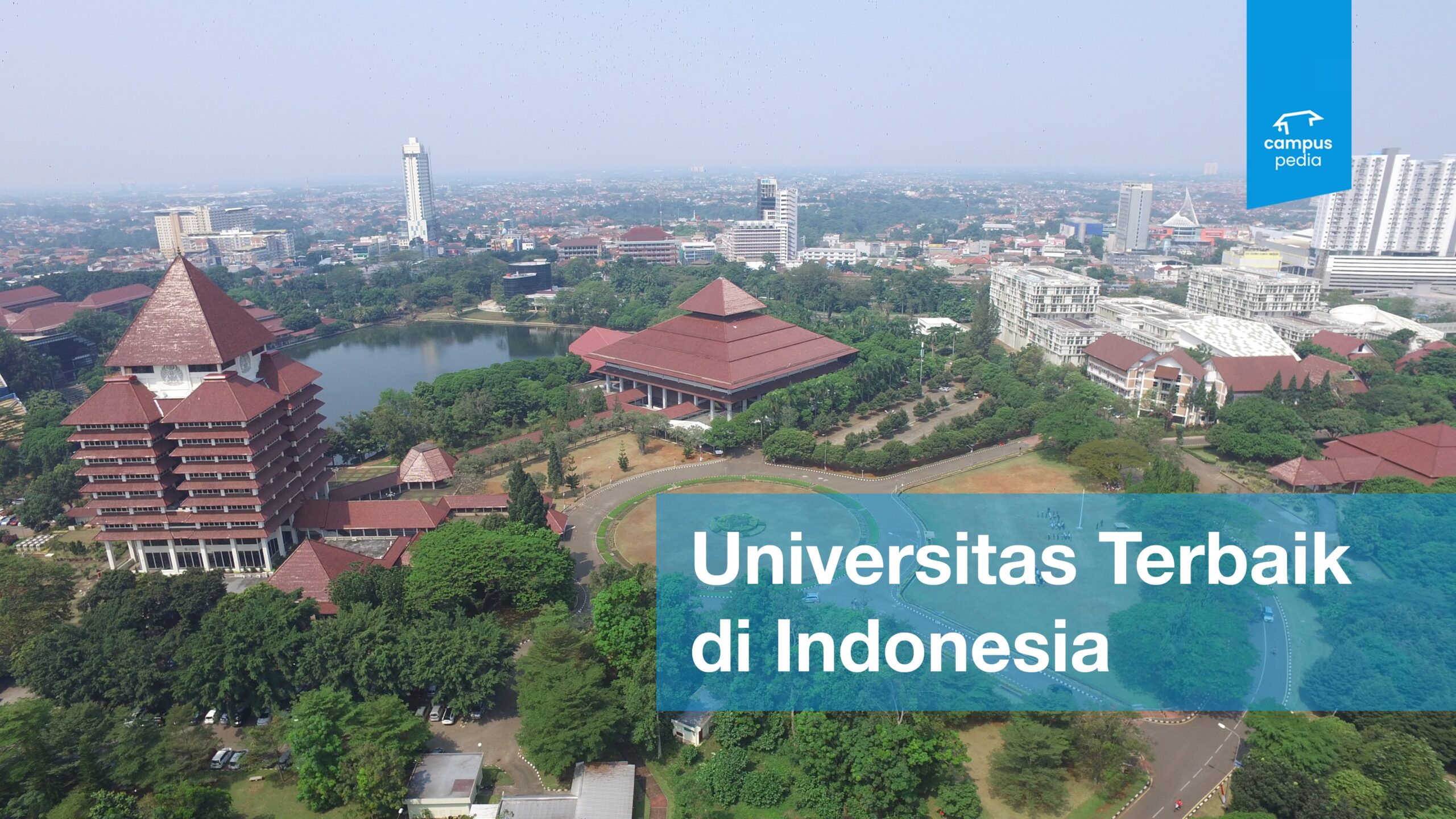
Understanding Akreditasi Universitas Aceh: A Comprehensive Guide
What is Akreditasi Universitas Aceh?
Akreditasi Universitas Aceh refers to the accreditation process that educational institutions in Aceh go through to ensure that they meet national and international educational standards. It is a form of quality assurance undergone by universities to evaluate their performance in various facets like academic quality, administrative efficiency, infrastructure, and faculty qualifications.
Importance of Accreditation
Accreditation serves multiple purposes. It not only assures students and parents of the university’s educational quality but also plays a critical role in enhancing the institution’s reputation. Graduates from accredited programs often find better employment opportunities, as employers tend to favor candidates from recognized institutions. Furthermore, accredited universities can access government and international funding, ensuring ongoing improvements and innovation.
Accreditation Bodies in Indonesia
In Indonesia, the primary body responsible for accreditation is the National Accreditation Board for Higher Education (BAN-PT). This body evaluates universities against specific criteria to achieve their accreditation status. Universities in Aceh, like other regions, must comply with BAN-PT standards, ensuring consistent quality throughout Indonesian higher education.
Process of Accreditation
The accreditation process typically involves several key steps:
-
Self-Assessment: Institutions must conduct a self-study, compiling comprehensive reports on their academic programs, financial performance, and infrastructural resources. This forms the basis for the evaluation.
-
Peer Review: A team of evaluators, often consisting of scholars and educators from other universities, conducts a site visit to verify the self-assessment report. They analyze the facilities, interview faculty, staff, and students, and observe the teaching-learning processes.
-
Evaluation and Rating: Based on the findings, BAN-PT assigns an accreditation rating, ranging from “A” (excellent) to “C” (less satisfactory). Each rating translates into the institution’s perceived quality and can impact funding, partnerships, and student enrollment.
-
Continuous Improvement: Accreditation is not a one-time event. Universities are encouraged to continuously assess and improve their programs, promoting ongoing self-reflection and adjustment based on feedback from evaluators and stakeholders.
Criteria for Accreditation
The criteria for university accreditation in Aceh align closely with BAN-PT’s standards, which include:
- Governance: Effective leadership and management structures.
- Academic Vision and Mission: Clearly defined goals that emphasize academic integrity and student development.
- Curriculum Quality: Academic programs that are regularly updated to meet industry standards and societal needs.
- Faculty Competence: Faculty qualifications, teaching experience, and ongoing professional development.
- Infrastructure: Adequate facilities, libraries, and technological resources.
- Research Output: A commitment to research and its incorporation into the academic curriculum.
Further Enhancements through Accreditation
Achieving a respectable accreditation rating fosters a culture of excellence within the institution. It encourages faculty to pursue research, engage in community services, and develop partnerships with domestic and international organizations. Moreover, alumni from accredited programs often become ambassadors for their institutions, significantly contributing to the university’s reputation and outreach.
Challenges Faced by Universities
Despite the importance of accreditation, universities in Aceh face various challenges:
-
Resource Limitations: Many institutions struggle with inadequate funding, affecting their ability to upgrade facilities and retain skilled faculty.
-
Awareness and Understanding: Some educational leaders may lack knowledge regarding accreditation processes, leading to poorly prepared self-assessments.
-
Meeting Standards: Continuous changes in educational standards require institutions to adapt swiftly, often presenting a challenge for smaller or less established universities.
The Future of Accreditation in Aceh
The future of accreditation for universities in Aceh leans toward better integration of international standards. Encouraging collaboration with global academic partners can aid in improving quality, incorporating best practices, and fostering a research-oriented culture. Additionally, leveraging technology for teaching and learning is essential for meeting modern educational demands.
In conclusion, the process of Akreditasi Universitas Aceh is a vital component in the higher education landscape, ensuring that institutions uphold educational integrity and quality. For students, parents, and educators alike, understanding this process is critical in navigating the complexities of modern educational environments and maximizing the benefits of quality education.